Basements are less common in San Jose than in many parts of the country, since most Bay Area homes are built on slab foundations, but older properties, hillside homes, and some custom builds do have them, and they tend to get neglected fast. Basement cleaning isn’t just about tidying up storage boxes. It involves dust, mold risk, musty odor, and sometimes water damage that a regular vacuum and mop won’t touch.
This guide from Jales Cleaning Services, serving San Jose and the greater Bay Area, covers everything you need to know about basement cleaning, from a basic unfinished basement cleanout to what basement cleaning actually costs and when the job calls for a specialist instead of a standard cleaning company.
Quick answer: Basement cleaning typically includes decluttering, dusting, vacuuming, sweeping or mopping concrete or finished floors, wiping down surfaces, and addressing musty odor or light mold with proper ventilation and cleaning solutions. Sewage backup, flooding, and major water damage require a certified restoration or biohazard specialist, not standard basement cleaning.
Table of Contents
What Basement Cleaning Actually Includes
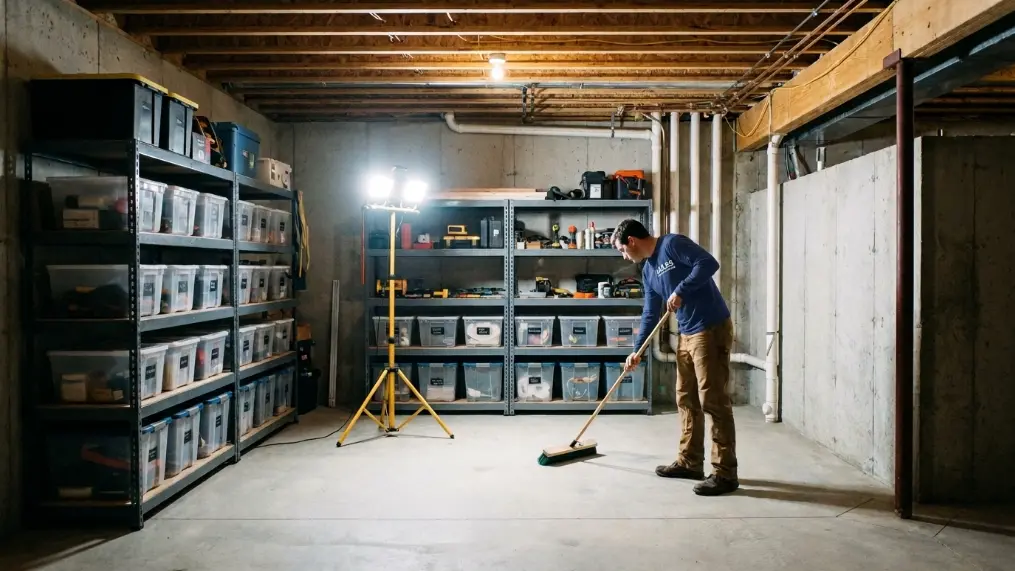
Basement cleaning covers a wide range of tasks depending on whether the space is finished, unfinished, used for storage, or has sat untouched for years. A standard basement cleaning service typically includes:
- Decluttering and organizing stored items
- Sweeping, vacuuming, and mopping concrete or finished flooring
- Dusting shelves, pipes, ductwork, and light fixtures
- Wiping down walls and surfaces
- Removing cobwebs from corners and ceilings
- Treating light mildew or musty odor with proper ventilation
Basement cleaning does not typically include major mold remediation, sewage cleanup, or structural water damage repair, since those require certified restoration specialists with specific safety equipment and training.
How to Clean an Unfinished Basement: Step by Step
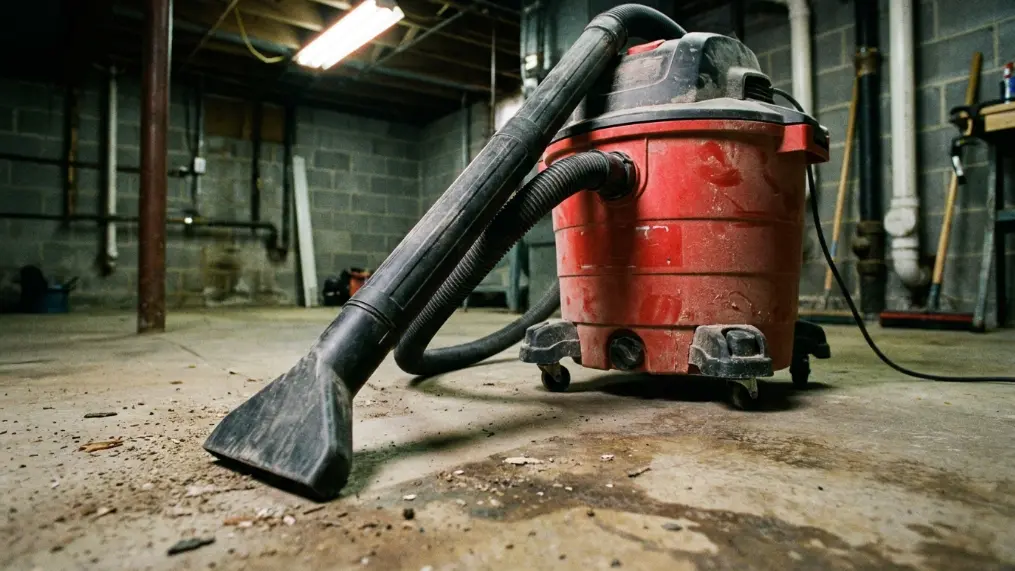
If you’re wondering how to clean unfinished basement space that hasn’t been touched in years, here’s the process broken into manageable steps.
Step 1: Declutter First
Sort everything into keep, donate, and discard piles before cleaning anything. Trying to clean around clutter wastes time and misses buildup underneath boxes and furniture.
Step 2: Ventilate the Space
Open any windows or run a fan to improve airflow before you start. Basements often have poor ventilation, and dust and mold spores can become airborne once disturbed.
Step 3: Dust from Top to Bottom
Start with ceiling corners, exposed pipes, and light fixtures, then work down to shelving and surfaces. This prevents dust from resettling on areas you’ve already cleaned.
Step 4: Sweep and Vacuum
Use a shop vacuum for concrete floors, since a standard vacuum can struggle with fine concrete dust and debris. Sweep first to remove larger debris before vacuuming.
Step 5: Mop or Scrub the Floor
For unsealed concrete, use a mild detergent and warm water. For sealed or finished flooring, follow the manufacturer’s recommended cleaning solution to avoid damaging the finish.
Step 6: Address Odor and Moisture
Run a dehumidifier if the space feels damp, and treat any musty odor with baking soda or a commercial odor-neutralizing product once the floor is fully dry.
Basement Cleaning Cost: What to Expect
Basement cleaning cost depends heavily on the size of the space, how much clutter needs sorting, and whether the basement is finished or unfinished. Jales Cleaning Services prices deep cleaning, which basement cleanouts typically fall under, at $0.39 per square foot. For a basement, this means:
- A 500 sq. ft. unfinished basement runs about $195
- A 1,000 sq. ft. basement runs about $390
- Larger basements or those requiring significant decluttering may take longer and be quoted based on time and scope after an in-person or virtual assessment
Basement cleaning cost is generally lower per square foot than main living areas, since basements typically have less furniture and fewer detailed surfaces to clean, but heavy clutter or storage buildup can add time.
Basement Cleaning vs Basement Cleanout: What’s the Difference
These terms are often used interchangeably, but they describe different scopes of work.
Basement cleaning focuses on dust, dirt, surfaces, floors, and general upkeep of a space that’s already reasonably organized.
Basement cleanout involves removing large amounts of unwanted items, old furniture, or accumulated junk before any cleaning can even begin. A basement cleanout is often the first step for basements that haven’t been used or maintained in years, and it’s frequently paired with basement cleaning as a two-part service.
If you’re unsure which one you need, a quick way to tell is this: if you can walk through the space without stepping over boxes, you likely need basement cleaning. If you can’t, you probably need a basement cleanout first.
How to Clean Basement Walls and Remove Mold
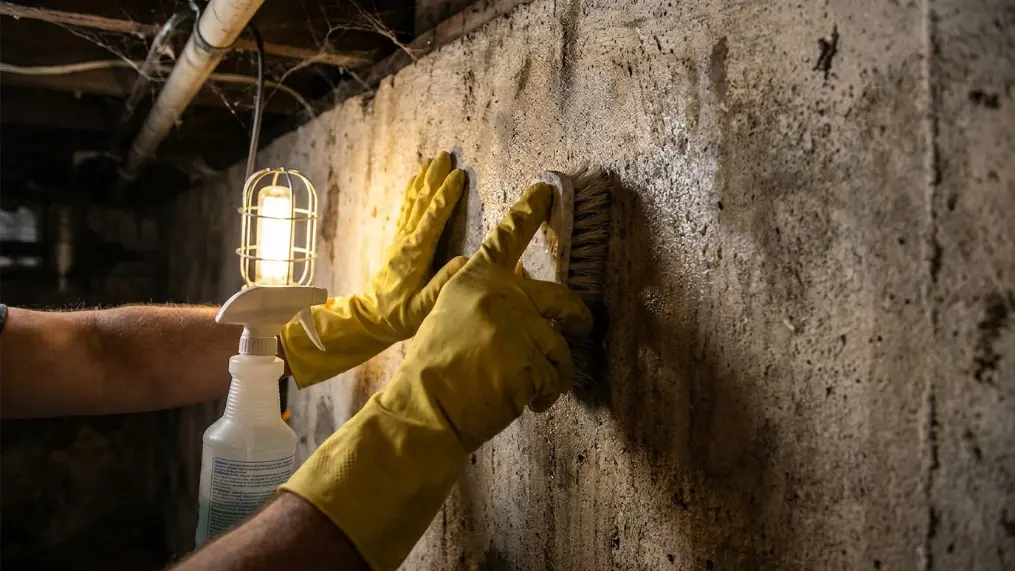
Cleaning basement walls requires extra care since basements are more prone to moisture and mold growth than other rooms.
- Identify the surface type first: painted drywall, unfinished concrete, or masonry, since each requires a different approach
- For light mildew on painted walls, use a mixture of water and mild detergent, scrubbing gently with a soft brush
- For mold on concrete or masonry, a diluted white vinegar solution is effective for small areas and is safer than bleach on porous surfaces
- Always wear gloves and a mask when cleaning mold, even small patches, since spores can affect indoor air quality
- If mold covers more than about 10 square feet or keeps returning after cleaning, it’s time to call a certified mold remediation specialist rather than continuing with DIY methods
How to Get Rid of Musty Basement Smell
Musty basement smell almost always points to excess moisture, even if you don’t see visible water or mold. Here’s how to address it:
- Run a dehumidifier consistently, aiming to keep basement humidity below 50%
- Improve airflow with a fan or vent, especially in enclosed storage areas
- Place open containers of baking soda or activated charcoal in corners to absorb odor over time
- Check for hidden moisture sources, such as small leaks around windows, pipes, or the foundation, since musty smells often return quickly if the source isn’t addressed
- Clean and treat the floor drain area, since standing water or buildup near the drain is a common source of persistent basement odor
Basement Floor Drain Cleaning: How Often
A commonly overlooked part of basement maintenance is the floor drain. So how often should a basement floor drain be cleaned? Most plumbing professionals recommend flushing and checking your basement floor drain every 3 to 6 months, and more often if your basement tends to be damp or if you notice slow drainage.
To clean it yourself:
- Remove the drain cover and clear any visible debris
- Pour a mixture of baking soda and vinegar down the drain, let it sit for 10 minutes, then flush with hot water
- Pour a small amount of water into the drain trap periodically if the basement isn’t used often, since a dry trap can allow sewer gas odor to enter the space
If water backs up or drains slowly even after cleaning, this may signal a clog further in the plumbing system and is worth having a plumber inspect.
Who Cleans Flooded Basements or Sewage Backup
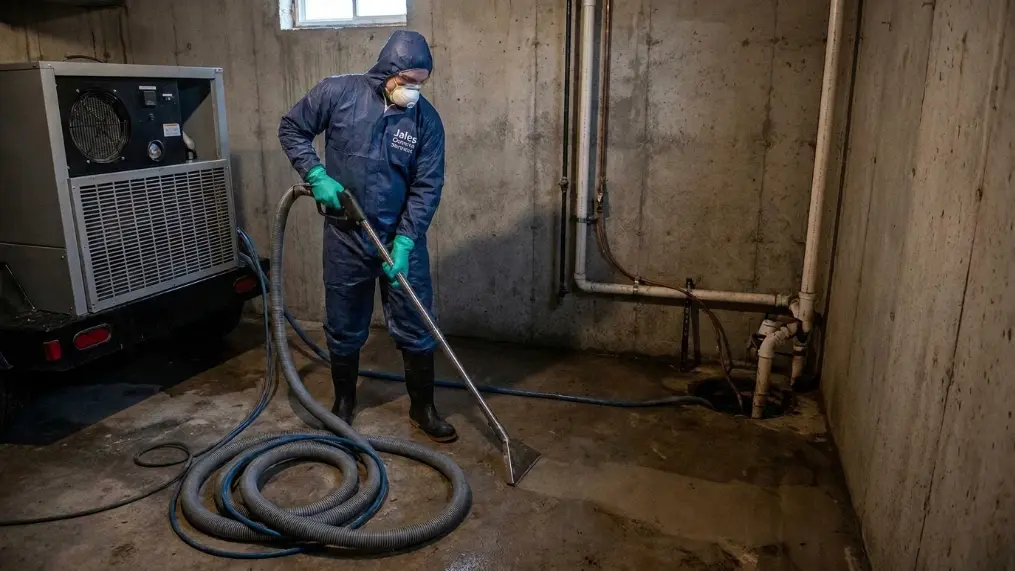
This is one of the most important distinctions in basement cleaning and one worth being upfront about. Standard basement cleaning services, including general house cleaning companies, are not equipped to safely handle flooded basements or sewage backup, and for good reason: these situations involve contaminated water, structural drying, and potential health hazards that require specialized equipment and certification.
Who cleans flooded basements: Water damage restoration companies, often certified through IICRC (Institute of Inspection, Cleaning and Restoration Certification), handle flooded basements. They extract standing water, dry out structural materials, and treat the area to prevent mold growth.
Who cleans up sewage in basement or septic backup: Sewage and septic backup cleanup, sometimes called biohazard or trauma cleanup, requires specialists trained to handle contaminated water safely. This is not a standard house cleaning task, and attempting it without proper protective equipment poses real health risks.
Who cleans up water damage in basement: For water damage beyond a small, contained spill, a restoration company should assess and handle the drying and cleanup process, since untreated moisture behind walls or under flooring can lead to mold within 24 to 48 hours.
Once a flooded basement or sewage situation has been professionally remediated and fully dried, a standard basement cleaning service, like the ones Jales Cleaning Services offers, can handle the follow-up surface cleaning, dusting, and sanitizing.
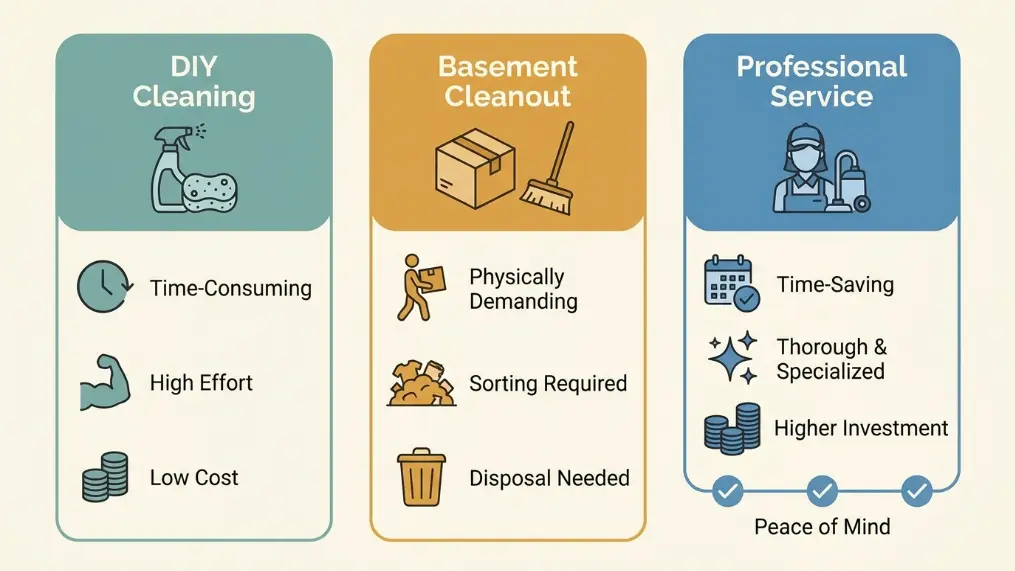
DIY vs Basement Cleaning Service Near Me: Comparison Table
| Approach | Best For | Cost | Time Required |
|---|---|---|---|
| DIY Basement Cleaning | Small, lightly cluttered basements with no mold or water issues | Supplies only, under $30 | 3–6 hours |
| Basement Cleanout (Junk Removal) | Basements with years of accumulated storage or unwanted items | Varies by volume of items | 1–2 days |
| Professional Basement Cleaning Service | Larger basements, regular maintenance, or thorough sanitizing | $0.39 per sq. ft. (Jales Cleaning Services rate) | Same day, based on size |
| Water Damage Restoration Specialist | Flooded basements, sewage backup, or significant water damage | Varies, often covered by insurance | 3–7 days depending on severity |
Searching for a basement cleaning service near me is the right move once decluttering, mold size, or moisture issues go beyond what a weekend DIY effort can reasonably handle.
Common Mistakes When Cleaning a Basement
- Skipping ventilation, which traps dust and mold spores in an already poorly ventilated space
- Using bleach on porous concrete or masonry, which doesn’t fully kill mold at the root and can damage the surface
- Ignoring the floor drain, which is often the source of lingering odor even after the rest of the basement is clean
- Cleaning before decluttering, which wastes time and leaves buildup trapped under boxes and furniture
- Attempting to clean a flooded or sewage-affected basement without professional help, which poses real health and structural risks
What Is a Basement Cleanout: A basement cleanout is the process of removing unwanted items, accumulated clutter, old furniture, or storage buildup from a basement before general cleaning takes place. It differs from routine basement cleaning, which focuses on dust, surfaces, and floors, and is typically the necessary first step for basements that have gone unused or unmaintained for an extended period, often paired with a full basement cleaning service afterward for a complete result.
Basement Cleaning Tips for San Jose & Bay Area Homes
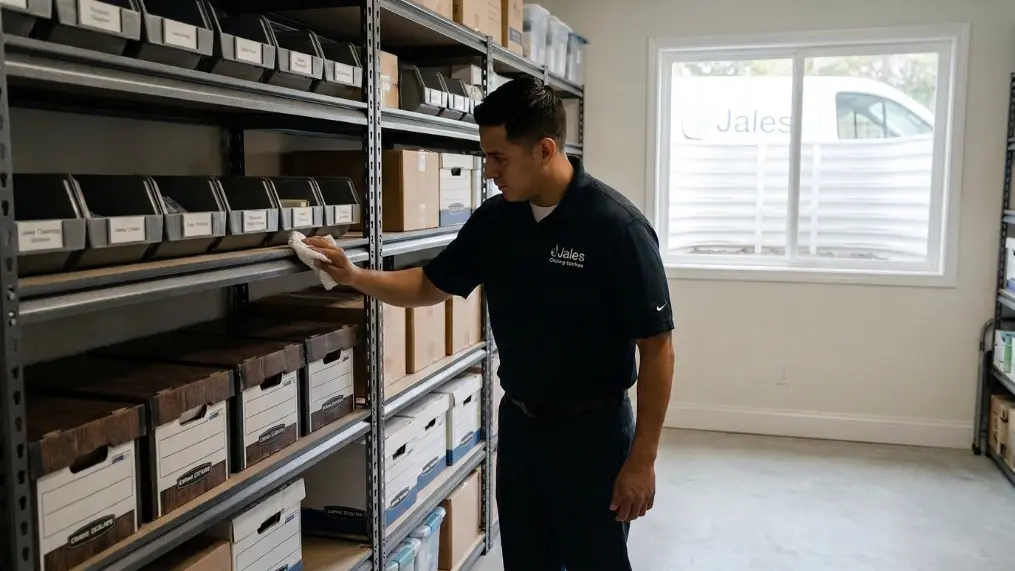
Basements are less common across San Jose compared to older housing markets, since most homes here are built on concrete slab foundations, but properties in areas like the Almaden Valley foothills, parts of Willow Glen, and older homes throughout the South Bay do sometimes include a basement or below-grade storage space.
For San Jose and Bay Area homeowners who do have a basement, the region’s dry summers and mild winters generally mean lower humidity-related mold risk compared to more humid parts of the country, but older homes, particularly those near creeks or lower-lying areas in Santa Clara, Campbell, and parts of Willow Glen, can still experience seasonal dampness during the rainy months between November and March.
If your San Jose basement tends to feel humid or musty specifically during the rainy season, that’s a strong signal to check for small leaks around the foundation before they turn into a larger moisture problem.
FAQs: Basement Cleaning
Final Thoughts
Basement cleaning covers a lot more ground than a quick sweep and vacuum, from decluttering and dusting to mold prevention and drain maintenance. Knowing the difference between a basement cleanout, standard basement cleaning, and situations that call for a certified restoration specialist can save you time, money, and unnecessary health risk.
If your San Jose or Bay Area basement needs a thorough clean, Jales Cleaning Services is here to help, and if the job involves flooding or sewage, we’ll point you toward the right specialist so the work gets done safely.